Contributing to Quality of Life: a mission for real estate developers
Real estate development plays an important role in many areas, from urban planning and environmental preservation to mobility. But it is also a key factor in the well-being of the people who live and work in these spaces. Today, the challenge is no longer simply to build housing, but to create real living environments where connections are formed and everyday life can flourish. A closer look at how real estate developments can contribute to improving the quality of life of their occupants.
Today, a home is no longer just a place to live. Digital transformation and the experience of the pandemic have turned housing into multifunctional environments where people work, relax, socialize and even shop online. As time spent at home increases, so does the importance of living in an environment that supports comfort and well-being. Housing itself remains central — but it is no longer enough on its own.
As Laurent Tirot, CEO of Equilis France, observes:
“Lifestyles are changing. People spend less time confined to their own homes with a single residential use. As developers, we have moved from an economy of property to an economy of connection, which means reintroducing spaces for interaction within our real estate projects.”
This shift is particularly visible in mixed-use developments, where different functions coexist and encourage interaction between residents, workers and visitors. The proximity of services also plays a major role in improving quality of life, reducing long and costly daily journeys. The time and money saved can then be devoted to more meaningful or enjoyable activities.
When designing projects, developers must therefore carefully consider mobility — including access to public transport and the integration of soft mobility options. Even relatively simple planning choices can encourage these alternatives while enhancing the living environment. At Terra Nostra, for example, Equilis created pedestrian and cycling paths throughout the development, while in the Orée de Seumay neighbourhood traffic speed is limited to 20 km/h. Beyond improving safety, such measures help create calmer neighbourhoods where residents can better reclaim public space.
Giving places identity and atmosphere
Soft mobility is also an important component of environmentally responsible neighbourhoods. Sustainability now lies at the heart of most developments, not only because of increasingly demanding regulations but also because investors and residents alike are becoming more attentive to ESG criteria. Energy performance and durable design help reduce operating costs while improving everyday comfort.
Mobility, proximity, mixed uses and sustainability are therefore key ingredients in creating projects that genuinely enhance quality of life. One dimension that is sometimes overlooked is aesthetics, yet it also plays a crucial role in well-being. Elements such as natural light, materials and vegetation strongly influence how a place is experienced.
Ultimately, for people to truly connect with a place and build relationships there, the challenge is not simply to construct buildings but to carefully shape all the elements that give a neighbourhood its identity, atmosphere and sense of belonging.
More news
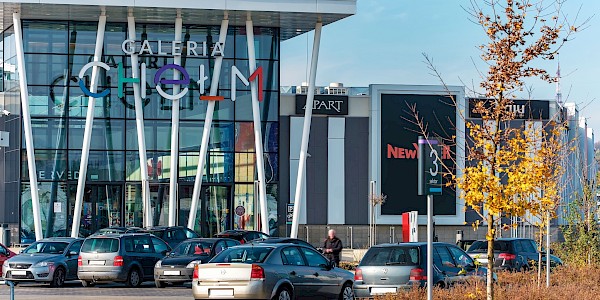
From M Park retail parks to shopping centres: M Core, expands its portfolio in Poland with the acquisition of Galeria Chełm from Equilis and Acteeum.
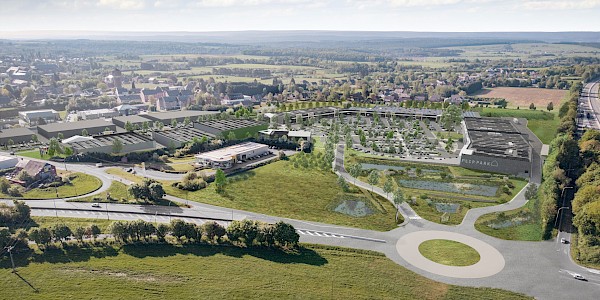
F’lip Park: a new-generation BREEAM Excellent-certified retail park in Philippeville